


Mosaic Match - Tile Game
4.81.58K Reviews
App Specs
- Version
- 2.75.01
- Updated On
- License
- Free
- Downloads
- 1,000,000+
- Developer
- Tripledot Studios Limited
- Categories
- Casual
- Platform
- Android
Screenshots
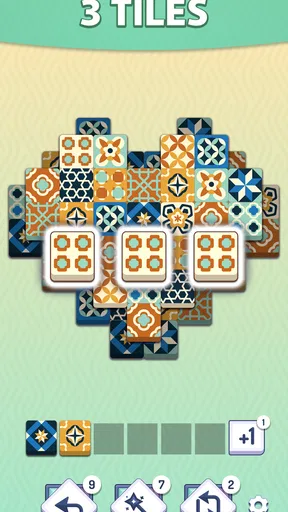
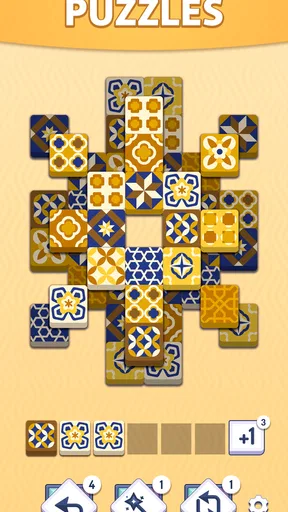
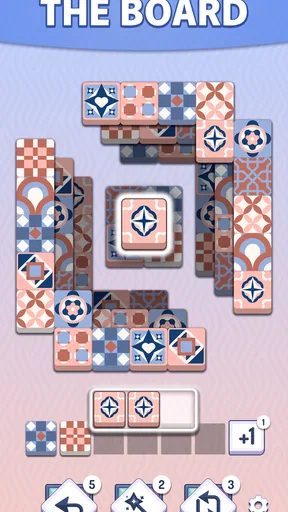
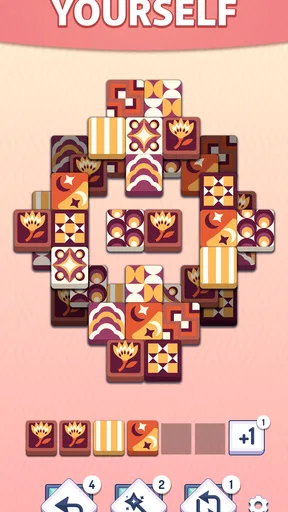
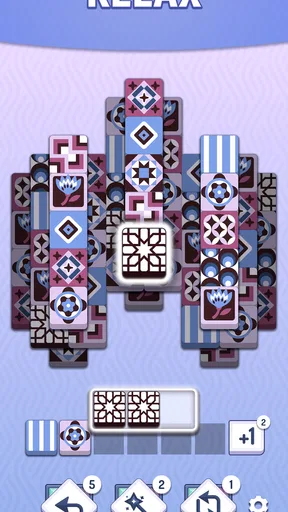
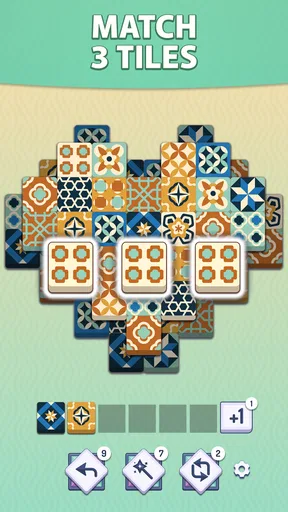
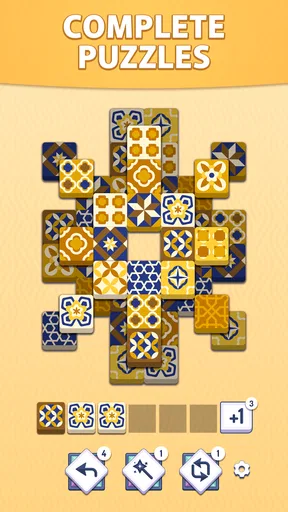
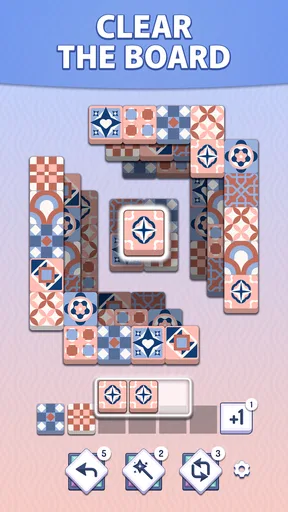
 Analysis by AppCompare
The first thing I noticed in Mosaic Match was how quickly it gets out of the way. I tap a tile, look for its matching partner, and watch the picture become clearer as pairs disappear. There is no complicated opening lesson to study and no pressure to understand a large rulebook. The game presents itself as a calm, casual puzzle, then lets the simple act of matching carry the experience.
That simplicity is exactly why I can imagine recommending it to someone who wants a short break rather than a demanding game. It is a free casual title from Tripledot Studios Limited, with a Teen content rating, and it has built a strong audience: the game has an average rating of 4.8 from around 50 thousand ratings and has passed 1 million installs. Those figures suggest that its relaxed tile-matching idea is connecting with a lot of players, although popularity alone does not make every puzzle style suitable for every person.
How the matching loop feels in real use
I’ll focus on how the simple matching action feels moment to moment, including the small pause between a match and the next scan. That rhythm is also a useful way to judge whether the game suits a quick break or a longer, quieter session.
The first action is easy, but not completely mindless
The basic move is familiar: I scan a mosaic-like arrangement, identify two tiles that belong together, and tap them. That first decision is small, but it gives the game an immediate sense of purpose. Instead of waiting for a long explanation, I begin by looking, comparing shapes or visual details, and making a choice. The board then changes, giving me a fresh arrangement to inspect.
What makes the opening pleasant is the balance between recognition and action. I am not simply tapping anywhere, yet I am also not forced to calculate several moves ahead before the game becomes enjoyable. The visual puzzle asks for attention without demanding the kind of sustained concentration found in a strategy game or a traditional match-three title with a crowded board.
I found that this makes the game especially useful during small gaps in the day. A few minutes before leaving home, a quiet pause after lunch, or a short wind-down before bed can all suit this kind of play. The interaction is direct enough that I do not need to rebuild a complicated mental model every time I return.
There is also a useful distinction between this game and the usual match-three alternatives. In many familiar puzzle games, the central decision is about swapping pieces to create chains, special effects, or larger combinations. Here, the pleasure comes more from recognizing relationships between mosaic tiles and gradually clearing the visual clutter. Players who enjoy visual sorting may prefer this approach, while players who want explosions, cascading combos, or tactical board manipulation may find it restrained.
Worth Reading Before You Choose

EA SPORTS FC Mobile 26 Is a Bigger Football Game, but It Takes Time

Flipboard Shows What News Apps Must Do Beyond the Feed

Switching to Android Auto Means Rethinking Your Driving Routine

Google Calendar Makes a Crowded Week Easier to Manage

Ludo King Makes the Most of the Minutes Between Plans

Baby Panda World Brings Quick Play to Modern Phones, but Its Game Library Feels Busy
The feedback rhythm keeps the board moving
Every successful match gives me a small piece of feedback: the selected tiles are removed or resolved, and the remaining image becomes easier to read. That change matters because it turns each correct choice into visible progress. I am not merely collecting an abstract score; I can see the puzzle opening up in front of me.
The rhythm is built from a repeating sequence. I inspect the board, make a match, receive visual confirmation, and then search again. The action is brief, the response is immediate, and the next decision arrives naturally. This is the strongest part of the design in my experience. A calming game needs enough response to prevent it from feeling flat, but not so much noise that relaxation turns into overstimulation.
That rhythm also explains why the game can be more absorbing than its rules initially suggest. One match rarely feels like a complete stopping point. It reveals another possibility, and that possibility invites another look. The board is continually asking a quiet question: which pair is now easiest to recognize?
My practical advice is to resist tapping quickly just because a pair seems obvious. Taking an extra moment to scan the whole arrangement can make the later stages feel less messy. I also found that looking at the board from a slight distance, rather than focusing only on the last selected tiles, helps me notice relationships that are easy to miss when I stare at one corner.
This is one of the less obvious strengths of the game: it rewards a change in visual pace. Fast players can move through obvious matches, but a slower full-board scan often produces a more satisfying run. The game does not need complicated strategy to create a small skill curve; learning how to look is enough.
Why a small success becomes a reward
The reward in Mosaic Match is mostly built into the act of revealing order. A busy mosaic gradually becomes more understandable, and that transformation gives each correct match a modest sense of completion. I do not need a dramatic prize after every move because the board itself is showing me that I am getting somewhere.
That makes the game feel different from puzzle apps that constantly push progress bars, missions, or competitive targets. Here, the satisfying moment is often the clean visual change after a good decision. The reward is quiet, which suits the game’s calming presentation and makes it easier to play without feeling that I am being hurried toward the next obligation.
There is a trade-off, though. If you need a strong sense of achievement, escalating difficulty, or a clear competitive objective, this may feel too gentle. The experience is better understood as a relaxing visual exercise than as a high-pressure test of puzzle mastery. I would not choose it when I want to chase a leaderboard, defeat an opponent, or spend an evening solving one especially difficult challenge.
For everyday use, the reward works best when I set a modest intention. I might play to clear my head after a busy task, to occupy my hands while taking a break, or to transition away from more intense entertainment. If I open it expecting a deep campaign or a constant stream of dramatic surprises, I am likely to judge it unfairly. Its appeal is in the repeated sense that a confusing image is becoming manageable.
The reset is part of the appeal
After a session, the important question is not only whether I enjoyed the last puzzle, but whether I want to begin another one. Mosaic Match benefits from a low-friction reset: once the immediate puzzle has served its purpose, the next board offers a new visual problem without requiring me to remember a complicated story or a long chain of objectives.
That reset is what turns a single match into a repeatable routine. I finish one arrangement, feel a small sense of closure, and then notice that another short session would be easy to start. The game does not need to convince me with a dramatic cliffhanger. The promise is simpler: there is another tidy visual problem waiting whenever I want one.
Still, this same quality can encourage longer play than intended. Because the individual actions are light and the restart feels effortless, it is easy to continue through several short sessions. I recommend deciding in advance whether you want one quick puzzle or a longer break, especially if you are using the game late at night. Its calm tone can make time pass quietly.
Another useful habit is to stop after a satisfying completion rather than waiting for the experience to become tiring. The game works well as a reset between activities, but it may lose some of its charm if played continuously for a long stretch. The repetition is comforting for a while; eventually, players who need constant novelty may begin to notice the limited nature of the central loop.
Who will enjoy it most?
I think this game is a good fit for players who like visual matching, gentle repetition, and short sessions. It can suit someone who finds conventional match-three boards too frantic but still wants a puzzle that requires attention. It may also appeal to people who enjoy organizing patterns and watching a cluttered image become clearer one decision at a time.
The Teen rating is worth keeping in mind for households choosing games for younger players. Adults looking for a quiet casual game can understand the rating as part of the app’s store information, but parents should still make their own decision about whether it suits a particular child and the way that child uses mobile games.
On the other hand, I would point competitive puzzle fans toward a different type of game. If your favorite moments come from planning elaborate combos, racing a timer, managing limited moves, or comparing scores with other players, the calm mosaic format may not provide enough tension. Likewise, anyone looking for a narrative adventure or a game with a large progression system should not expect this title to fill that role.
It is also not the best choice when I want a completely passive distraction. Although the rules are simple, I still need to inspect details and make correct matches. That light concentration is part of the charm, but it means the game is less suitable when I am too tired to focus or when I want something that can run in the background.
Small techniques that improve the experience
One technique I found useful is to divide the board into visual zones rather than scanning randomly. I look across one area, remember a possible match, and then check another area before committing. This reduces the chance of jumping at the first pair I notice and gives the puzzle a more deliberate flow.
A second technique is to use the changing board as information, not just as decoration. After a match, I pause briefly and reassess the whole image. The best next move may not be near the tiles I just removed. Clearing one pair can make a distant relationship easier to recognize, so immediately searching in the same place can cause me to overlook a better option.
A third insight is that the game works particularly well as a transition tool. I can use one session to move from work into rest, or from a noisy commute into a calmer mood. That use case is different from treating it as a main entertainment game. Its value comes from the controlled amount of attention it asks for: enough to interrupt a busy mind, not so much that it creates a new source of pressure.
These habits also clarify the main trade-off. The more carefully I look, the more satisfying the visual solving becomes, but the slower the session feels. Players can choose speed for a quick diversion or patience for a more meditative experience. The game supports both approaches without requiring a separate mode or a complex setup.
Practical details before installing
Mosaic Match is free to download, which makes it easy to try without committing money first. It requires Android 6.0 or later, so it is accessible on a broad range of Android devices that are still in use. The current version is 2.75.01, and the game was released on May 21, 2025.
Those details matter if you are installing it on an older phone or deciding whether to recommend it to someone who does not regularly update devices. On a compatible Android handset, the straightforward design should feel approachable, but the real question is whether the matching loop fits your taste. A free download is useful here because the game’s appeal is highly personal: some players will immediately enjoy the calm visual sorting, while others will want more action.
The developer, Tripledot Studios Limited, has positioned this as a casual experience rather than a specialist puzzle tool. That description matches how I experienced it. I would approach it as a small, repeatable break, not as a replacement for more demanding puzzle games or a complete evening of entertainment.
My verdict on the complete loop
The action is clear: find a pair and make the match. The feedback is steady: the board changes and becomes easier to read. The reward is visual progress rather than spectacle. The reset is simple enough to invite another short session. Put together, those parts create a loop that feels calm because every stage is understandable and none of them overwhelms the player.
My honest reservation is that the same simplicity can become repetitive. Players who need constant new mechanics may tire of the format, and those who prefer competitive pressure may find the experience too soft. I also would not choose it when I want an involved strategy challenge. Its strength is narrower but genuine: it gives me a focused, low-pressure way to sort patterns and watch a mosaic settle into order.
For me, that makes Mosaic Match a worthwhile recommendation for short breaks, quiet evenings, and anyone who enjoys visual matching without the frantic feel of many traditional puzzle games. It is not trying to be everything, and that is a benefit. The best reason to play is the satisfying reset from visual clutter to clear progress: one careful match, one small change, and just enough curiosity to begin again.
Pros
- Relaxing gameplay that is easy to learn and play casually.
- Colorful mosaic designs make progress visually rewarding.
- Short levels fit well into quick breaks or commutes.
- No complicated controls; matching tiles feels intuitive.
- Increasing difficulty keeps the puzzles engaging over time.
Cons
- Some levels may feel repetitive after extended play sessions.
- Hints or extra moves may be limited without watching ads.
- Ads can interrupt the flow between puzzles.
- Later challenges may require trial and error to solve.
- Small tile details can be harder to distinguish on phones.
FAQs for Mosaic Match - Tile Game
What is Mosaic Match - Tile Game?
Mosaic Match - Tile Game is a relaxing puzzle game built around matching and arranging colorful tiles to complete mosaic-style designs. Each level challenges you to recognize patterns, place pieces correctly, and gradually reveal the finished image. Its simple controls make it easy to understand, while progressively more complex boards provide additional challenge for players who enjoy casual brain-training games.
How do you play Mosaic Match - Tile Game?
Gameplay is generally based on selecting, matching, or positioning tiles so that they fit the required pattern and complete the mosaic. You usually interact with the board by tapping or dragging pieces, depending on the level design. Before downloading, keep in mind that later stages may require more careful observation, planning, and patience than the introductory puzzles.
Is Mosaic Match - Tile Game suitable for children and beginners?
The game is accessible for beginners because its core mechanics are straightforward and do not require previous puzzle-game experience. Children may also enjoy the bright visual style and simple tile interactions, although parents should review the app’s age rating, advertising policy, and any available in-app purchase options. Difficulty can increase over time, so younger players may occasionally need assistance.
Does Mosaic Match - Tile Game work offline?
Some puzzle games allow their main levels to be played without an internet connection, but features such as advertisements, cloud saving, updates, leaderboards, or special events may require online access. Offline availability can also differ between Android and iOS versions. It is best to check the store description and test the game after installation if offline play is important to you.
Is Mosaic Match - Tile Game free to download, and are there in-app purchases?
Mosaic Match - Tile Game may be available as a free download, but free access does not always mean that every feature is completely unrestricted. The game may include advertisements, optional purchases, extra hints, level packs, or other premium content. Before installing, review the current Google Play or App Store listing so you understand the monetization model and can manage purchase settings if children use the device.


